
Step Off the Train and Into the Wild
Fast Tracks to Feathered Neighbours
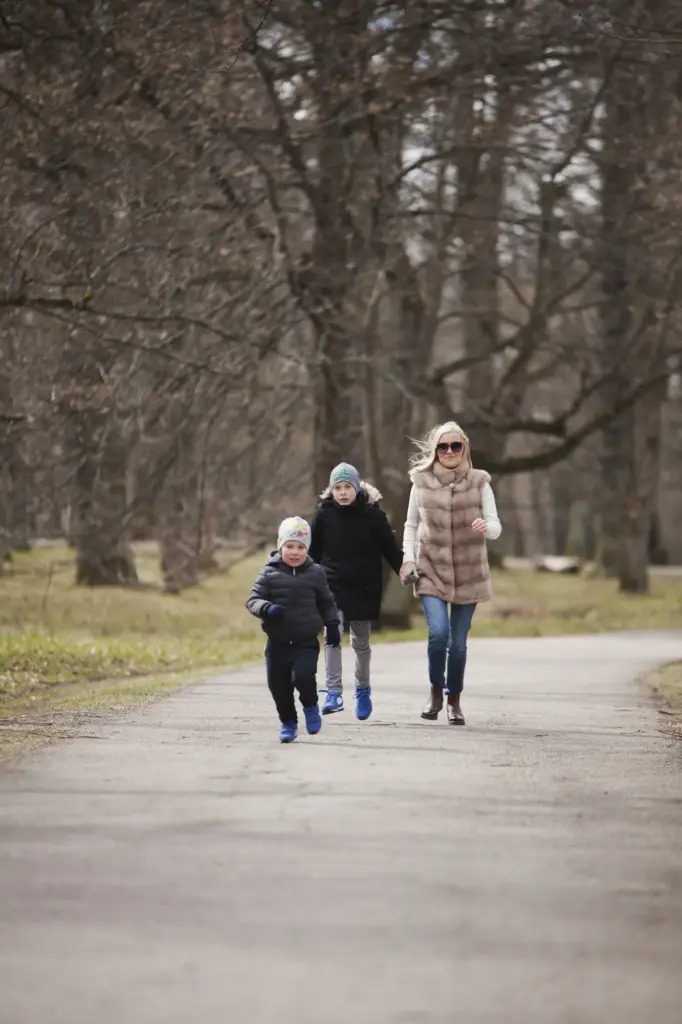
Barnes dawns at the London Wetland Centre
From Barnes station, a pleasant walk or quick bus drops you beside open lagoons and reedbeds alive with winter bitterns, spring warblers, and acrobatic terns. Travel light with a 300–500 mm lens, respect hide etiquette, and work reflections along sheltered pools. Early weekday arrivals often mean quieter hides, softer wind, and cleaner water for mirrored portraits of teal, heron silhouettes, and that sudden, magical kingfisher streak.
Silverdale’s reedbed giants at Leighton Moss
From Barnes station, a pleasant walk or quick bus drops you beside open lagoons and reedbeds alive with winter bitterns, spring warblers, and acrobatic terns. Travel light with a 300–500 mm lens, respect hide etiquette, and work reflections along sheltered pools. Early weekday arrivals often mean quieter hides, softer wind, and cleaner water for mirrored portraits of teal, heron silhouettes, and that sudden, magical kingfisher streak.
Attenborough’s easy edges by the platforms
From Barnes station, a pleasant walk or quick bus drops you beside open lagoons and reedbeds alive with winter bitterns, spring warblers, and acrobatic terns. Travel light with a 300–500 mm lens, respect hide etiquette, and work reflections along sheltered pools. Early weekday arrivals often mean quieter hides, softer wind, and cleaner water for mirrored portraits of teal, heron silhouettes, and that sudden, magical kingfisher streak.
Clifftop Dramas Without the Car
Bempton’s airborne highway
St Bees Head’s sunset silhouettes
Rainham’s tidal rhythms
Newport’s saline shimmer
Urban Wild Moments Between Stops
01
Richmond’s red deer corridors
From Richmond station, a brisk walk or short bus reaches the park gates, where ancient oaks frame herds of red and fallow deer. During the October rut, keep a long lens and careful distance, working side light to shape breath and antlers. At Pen Ponds, mirror-still mornings gift elegant reflections. Pack neutral clothing, move predictably, and let paths rather than tussocks carry you quietly between vantage points.
02
Pollok’s woodland glades
Pollokshaws West delivers you to broad lawns and oak woods where herons patrol the White Cart Water and dippers flash low across riffles. In overcast light, colours deepen and shutter speeds stretch, perfect for poetic motion. Balance that with crisp portraits near bridges. Museum stops and coffee warm-ups sit nearby, enabling multiple short sessions. Travel off-peak to keep carriages calmer and bag space free for a modest tripod.
03
Hampstead Heath’s skyline edges
Step from the Overground and into a mosaic of ponds, scrub, and meadows alive with parakeets, small finches, and damselflies. Sunrise gifts painterly layers of city skyline and misted reeds. Work the high paths for silhouettes, then descend for close details around water. Keep dogs and joggers in mind when setting tripods; choose nimble lenses, anticipate flight paths, and protect quiet moments near nesting trees during spring.
Travel-Light Fieldcraft for Rail Riders

Pack smart, move fast
Platform-safe habits

Spring migration bursts
March to May amplifies song and colour. Warblers fill reedbeds by dawn, terns patrol lakes, and woodlands flicker with fresh leaves. Schedule earlier trains, aim for overcast brightness to control highlights, and avoid persistent playback near nesting territories. Practice short, quiet approaches with frequent pauses. If showers sweep through, wait for the soft glimmer afterward, when droplets and backlight turn ordinary perches into small, luminous stages.
Summer cliffs and dragonflies
June and July suit clifftops and wetlands equally well. Puffins, razorbills, and kittiwakes whirl in seabreeze theatres, while damselflies embroider pond margins. Heat haze can soften distant subjects, so close distances, elevate shutter speeds, and shoot early or late. A polariser manages glare on water, yet remove it when light fades. Keep snacks, sunscreen, and spare water handy, balancing enthusiasm with healthy caution on exposed paths.
Autumn rut and winter sparkle
September to November brings the red deer rut’s hoarse choruses, while returning geese script skeins at dusk over wetlands near stations. Later, crisp winter light chisels detail into feathers, frost, and breath. Seek foggy mornings for mood, respect reduced daylight, and ride earlier trains home. Stable footing, pocket warmers, and a simple thermos extend sessions. Embrace slower tempos, patient hides, and storytelling sequences that reward mindful observation.
All Rights Reserved.