Rails to Wild Horizons: Photographing UK National Parks Without a Car

Explore UK National Parks for landscape photography with train access, unlocking dramatic peaks, moody coasts, mirror-smooth lakes, and ancient forests without touching a steering wheel. From station platforms to sunrise ridgelines, this guide shares rail-friendly gateways, field-tested itineraries, creative timing strategies, and safety wisdom so you can travel light, cut emissions, and return with images that breathe weather, story, and place.

Peak District: Hope Valley Line Doorways

Edale and Hope stations unlock the Great Ridge, Mam Tor, and routes toward Kinder Scout with remarkably little fuss. Trains from Manchester and Sheffield deliver you to trailheads that climb quickly into wind-brushed views. Arrive early, follow well-marked paths, and frame rolling fields, dry-stone walls, and distant gritstone edges glowing when the first light skims over Derbyshire’s undulating spine.

Lake District: Windermere, Staveley, and Ravenglass Gateways
Windermere station connects by frequent buses to Ambleside and Grasmere, bringing dramatic fells and reflective waters within easy reach, while Staveley leads into the quieter Kentmere hills. Over on the coast, Ravenglass links to Eskdale and a delightful narrow-gauge line, guiding walkers toward valley scenes where rushing becks, mossy woods, and cloud-wrapped summits invite long exposures and layered storytelling.

Chasing Light on a Timetable

Magic happens when a rail schedule harmonizes with weather, season, and footing under your boots. With careful planning, the last evening train and the first morning service become creative allies, not constraints. Embrace earlier alarms, shorter walks near stations, and nimble route changes so golden and blue hours feel wonderfully achievable, even on quick weekend escapes without a car.

Carry Less, Create More: Kit Strategies for Rail Riders

Backpack System and Packing Discipline

Choose a slim, train-friendly backpack that sits comfortably in overhead racks and on narrow aisles. Use pouches for rapid lens swaps, stash a microfibre towel near the top, and keep snacks accessible. Tuck a folded sit pad for cold ground waits. Leave rarely used extras behind so you carry energy, not clutter, and preserve creative focus longer.

Tripod and Stability Without the Burden

A compact carbon tripod with twist locks rides quietly beside a seat and won’t bruise your shins on crowded platforms. Add a small sandbag or sling the strap for stability in wind. When tripods aren’t practical, brace against gates or boulders, use image stabilization, and shoot bursts to counter shake—techniques that salvage critical sharpness during fleeting light.

Power, Data, and Weatherproofing Essentials
Carry a lightweight power bank, short cables, extra cards, and a waterproof pouch that slides under a jacket in storms. Zip-locks protect maps, tickets, and permits. Lens hoods and clear filters help during spray. On wet platforms, wipe gear routinely, and keep silica gel in your bag, letting you keep shooting after squalls while others retreat early.

Station-to-Scenery Itineraries You Can Photograph Today

Into the Highlands and Heartlands: Longer Rail Journeys, Bigger Vistas
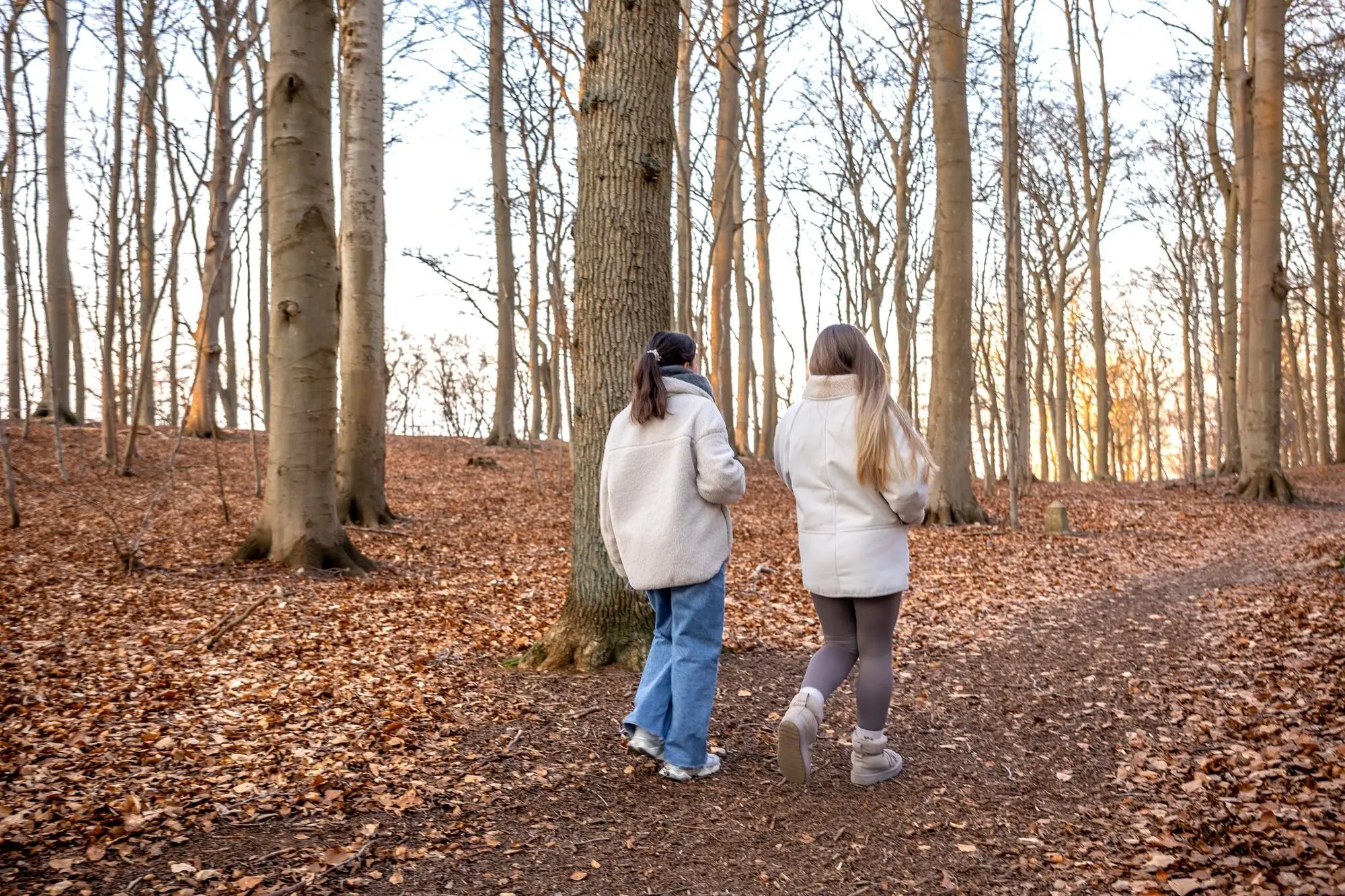
Some stations open doors to genuinely wild scale. With an early seat and a thermos, you’ll roll into landscapes that stretch your sense of distance and time. Factor weather swings and shorter daylight in winter, respect warnings on exposed routes, and savor the slow, rewarding cadence that rail travel brings to photographing Scotland’s mountains and glens or Wales’s rugged cores.
Aviemore serves as a superb base for Cairngorms adventures, with buses reaching trailheads around Loch Morlich and Cairngorm Mountain. When conditions permit, high plateaus reveal austere lines, corries, and snow patches lingering into spring. Winds can be brutal; navigation demands care. When storms build, pivot to forest compositions, river details, or lochside reflections that glow under broken, fast-moving light.
Trains to Balloch place you beside Loch Lomond’s gentle southern shores, where calm water and wooded peninsulas invite wide panoramas and minimalist frames. Arrochar & Tarbet unlocks steeper, craggier backdrops. Watch for changing clouds, midges in summer, and dazzling backlight after showers. Simplify scenes with clean horizons, shoreline curves, and small human elements that anchor the sweeping Highland mood.
Betws-y-Coed offers woodland waterfalls and gorge viewpoints within walking distance, while Blaenau Ffestiniog opens slate-scarred valleys and moody lakes like Cwmorthin via well-trodden paths. Embrace shifting weather—mist threads through pines, rain polishes rock, and sunlight breaks suddenly across ridges. Prioritize sure footing, carry layers, and let dramatic contrasts between industry, mountain, and sky drive strong, story-rich frames.

Coasts, Moors, and Moving Water: Diversity Within Reach of a Platform

Not every masterpiece demands a summit. Coast paths, moor plateaus, and slow rivers begin near rural stations, offering texture and atmosphere for days. Seek leading lines in fences, tidal channels, or old tracks. Work with overcast for silky water, or punch into storm light for contrast. Your rail ticket becomes permission to roam widely while traveling lightly and responsibly.

01

North York Moors by the Esk Valley Line

Local trains threading to Danby or Glaisdale reveal heather moors, stone barns, and deep-cut dales. In late summer, purple heather carpets pair beautifully with brooding skies. Look for dry-stone geometry, winding lanes, and farm silhouettes to layer scale. Keep an ear for approaching services at rural crossings, respect livestock gates, and let shifting cloud shadows sculpt rhythm across broad slopes.

02

Pembrokeshire Coast from Tenby and Pembroke Dock

Arrive in Tenby for pastel harbors and cliff-top paths, or Pembroke Dock for wider estuary views and access to rugged coastal stretches. Tide tables matter for beach compositions and reflective sand. Sea spray and wind demand layered protection for you and your lens. Compose with headlands, breaking waves, and tiny walkers tracing the National Trail, lending scale to sweeping horizons.

03

The Broads from Wroxham and Norwich

Wroxham station unlocks reed-fringed waterways where dawn mist lifts slowly from mirror channels. Norwich offers quick hops to quiet stretches and boardwalks. Long lenses isolate swans and sails; wides celebrate sky drama echoed on calm surfaces. Pack a polarizer, watch for flat light, and use subtle ripples or anchored boats to anchor minimal frames that whisper tranquility and space.

Community, Care, and Next Steps
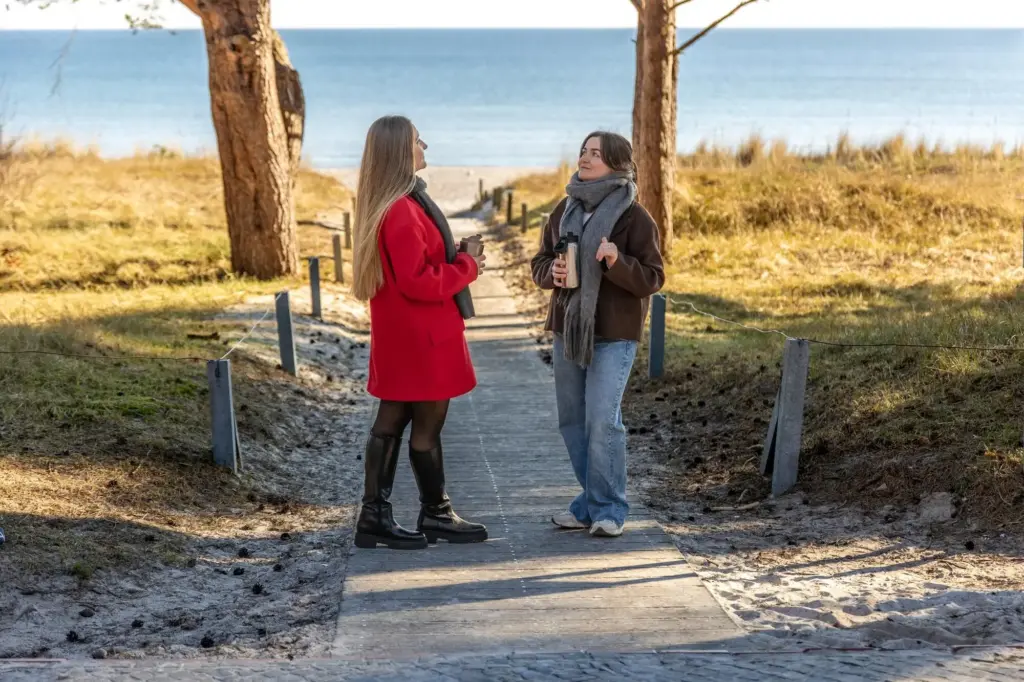
Sustainable, train-led exploration thrives on shared knowledge and mutual respect. Swap routes, light windows, and safety notes, and help others travel lighter. Celebrate accessibility, mind local economies, and keep wild places wild through considerate fieldcraft. Subscribe for fresh itineraries, comment with your favorite station-to-summit walk, and join a growing circle of photographers journeying thoughtfully and creating with purpose.

Fieldcraft with Kindness

Tread softly, stick to paths where they exist, and give wildlife generous space. Close gates gently, yield to farmers, and keep headlamps shielded around nesting areas. Pack out every crumb and earn trust with quiet, careful presence. Strong images come easiest when our footprints fade quickly, leaving only gratitude and a cleaner line across earth, water, wind, and memory.

Share Your Track-to-Track Story

Tell us which station delivered your favorite light, which ridge surprised you, and how you adapted when weather swerved. Post images, tips, and GPX links, and ask questions for upcoming features. Your on-the-ground experience helps others plan well, stay safe, and find moments that matter. Add your voice and help grow this supportive, rail-powered creative community.